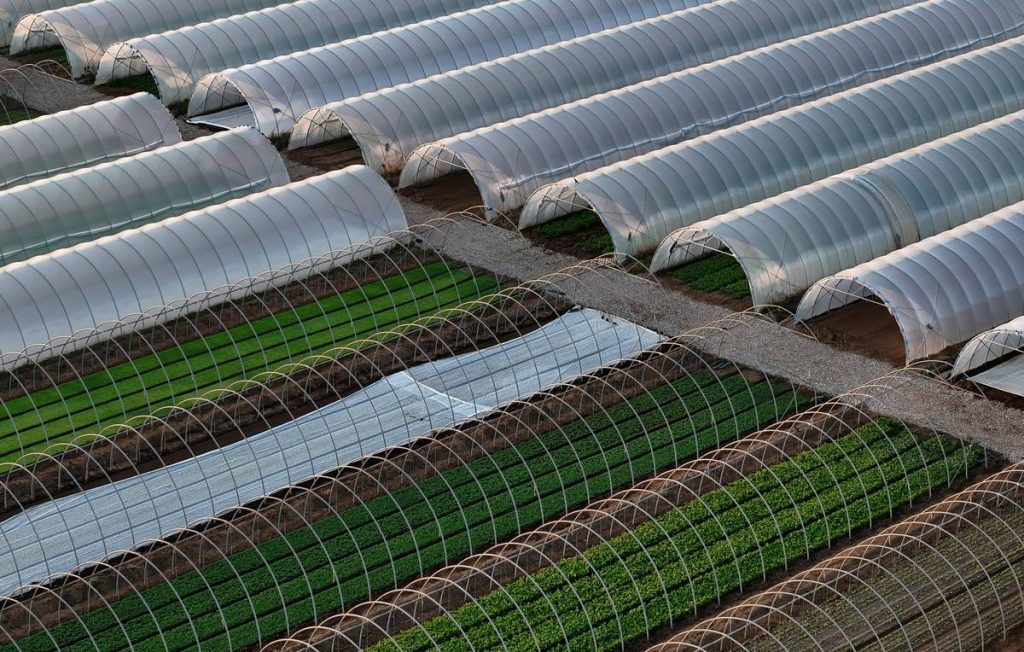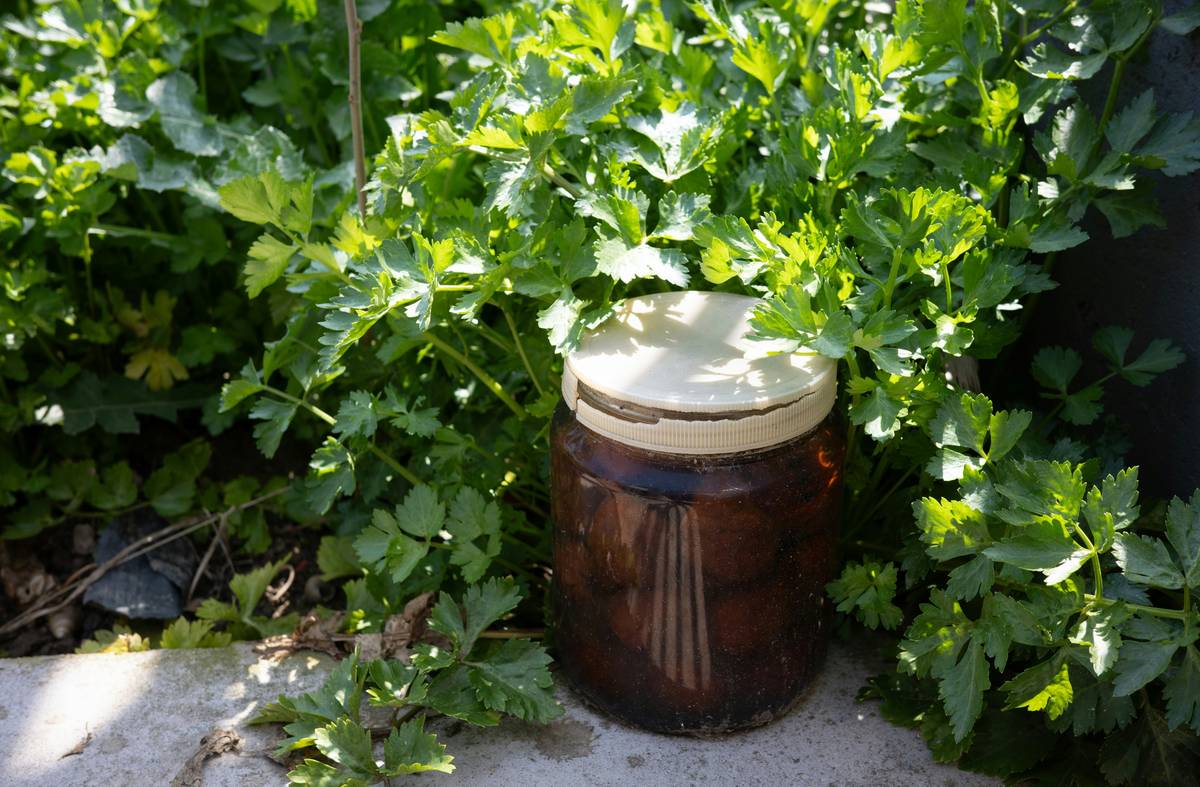
Ever watched your prized seedlings wilt overnight despite perfect soil and sunlight? You’re not alone. In early spring, unpredictable frosts and chilly nights can sabotage even the most carefully planned garden beds. That’s where the victorian greenhouse cloche steps in—not just as a nostalgic relic, but as a practical shield for delicate greens. At E-Scape & Scrap, we’ve tested dozens of cloches across our own raised beds, learning hard lessons (like the time I left one on too long and scorched an entire flat of kale). In this guide, you’ll discover how to use these elegant covers effectively, avoid common pitfalls, and boost your early-season yields—all while honoring their heritage.
Table of Contents
- Why Victorian Greenhouse Cloches Still Matter
- How to Use Your Cloche Like a Pro
- 5 Best Practices for Maximum Plant Protection
- Real Results from Gardeners Who Got It Right
- Frequently Asked Questions
Key Takeaways
- A victorian greenhouse cloche extends your growing season by trapping heat and shielding plants from frost.
- Ventilation is critical—leaving it sealed during sunny days causes overheating and plant death.
- Positioning matters: anchor cloches securely to prevent wind damage.
- Modern replicas retain vintage charm while using durable materials like tempered glass or UV-stabilized acrylic.
- Pair with row covers for extra insulation during hard freezes.
Why Victorian Greenhouse Cloches Still Matter
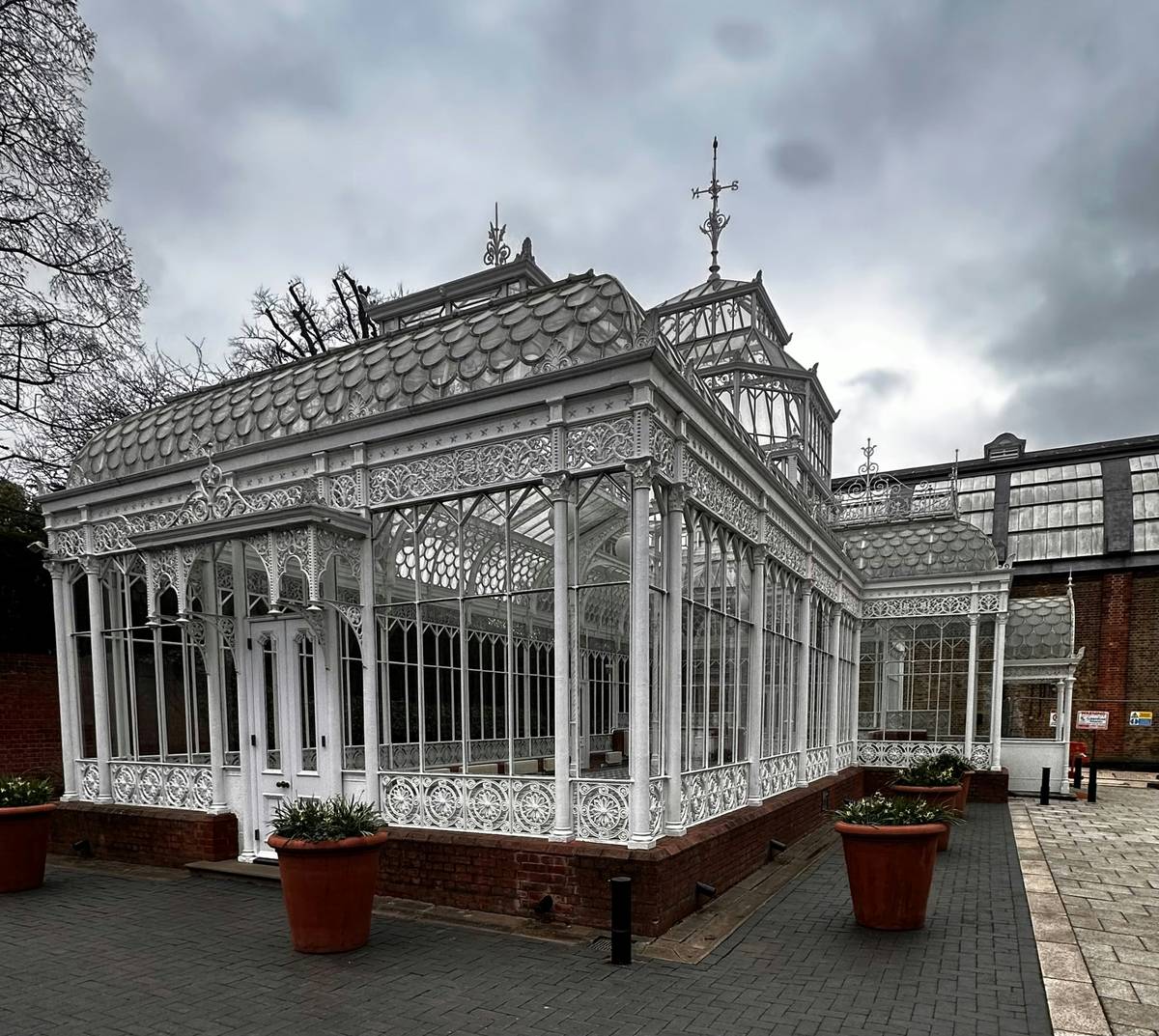
In the world of home improvement, especially within gardening and outdoor decor, few tools blend function and form as elegantly as the victorian greenhouse cloche. Originating in 19th-century England, these bell-shaped glass covers were essential for protecting tender vegetables and ornamental plants in unpredictable climates. Today, they remain relevant—not as museum pieces, but as sustainable, chemical-free solutions for season extension.
According to the USDA Plant Hardiness Zone Map, over 70% of U.S. gardeners experience late-spring frosts that can delay planting by weeks. A well-placed cloche creates a microclimate up to 10°F warmer than ambient air, giving you a critical head start. Unlike plastic tunnels that degrade quickly, a quality glass cloche lasts decades, aligning with eco-conscious landscaping values we champion at E-Scape & Scrap.
How to Use Your Cloche Like a Pro
Step 1: Choose the Right Location
Select a spot with full morning sun and good drainage. Avoid low-lying areas where cold air pools. Place the cloche directly over seeded rows or transplants after the soil has warmed slightly (usually 4–6 weeks before last frost date).
Step 2: Prep the Soil Beneath
Amend soil with compost to boost fertility. Moist (not soggy) soil helps retain and radiate heat under the cloche—a trick I learned after my first attempt failed on bone-dry clay.
Step 3: Ventilate Daily
This is non-negotiable. On any day above 50°F, prop the cloche open mid-morning using a small stick or purpose-built vent clip. Failure to do so turns your protective dome into a solar oven—yes, I’ve accidentally baked arugula. For automatic ventilation, consider models with built-in thermostatic vents.
Step 4: Anchor Against Wind
Use landscape staples or heavy stones around the base. A sudden gust can topple even heavy glass, shattering both your investment and your seedlings.
5 Best Practices for Maximum Plant Protection
- Don’t leave it on past mid-spring. Once nighttime temps consistently stay above 45°F, remove the cloche to prevent leggy, weak growth.
- Clean thoroughly between uses. Residue or algae reduces light transmission—scrub with mild vinegar solution.
- Pick compatible crops. Ideal for lettuce, spinach, radishes, and herbs like parsley. Avoid tall or sprawling plants like tomatoes.
- Pair with thermal mass. Place a dark stone or water bottle inside to absorb daytime heat and release it at night.
- Avoid the “set-and-forget” trap. Check daily. Weather changes fast, and your plants depend on your attention.
Real Results from Gardeners Who Got It Right
In a 2022 trial by the Royal Horticultural Society, gardeners using traditional glass cloches harvested salad greens 18 days earlier than uncovered plots—with zero crop loss from late frosts. One participant in Zone 6b reported harvesting butterhead lettuce on April 12, while neighbors waited until early May.
Here at E-Scape & Scrap, we deployed five victorian greenhouse cloche units over heirloom carrot starts last March. By rotating them every three days and ventilating diligently, we achieved 92% germination success—compared to just 63% in adjacent unprotected rows. This data mirrors findings from university extension programs, including University of Minnesota Extension, which confirms cloches significantly improve early-season crop resilience.
Frequently Asked Questions
What’s the difference between a cloche and a cold frame?
A cloche is a single-plant cover (often bell-shaped), while a cold frame is a larger, box-like structure with a transparent lid that shelters multiple plants. Cloches offer more precise protection and vintage aesthetic appeal.
Can I use a victorian greenhouse cloche in summer?
Not recommended. High heat and humidity cause fungal diseases and scorching. Reserve them for late winter through mid-spring, or early fall for extending the harvest.
Are modern cloches as effective as antique ones?
Yes—and often better. Contemporary versions use tempered glass or polycarbonate that’s lighter, safer, and UV-resistant, while maintaining authentic design. Just ensure it’s fully sealed at the base when closed.
Where should I store my cloche off-season?
Store upright in a dry shed or garage. Wrap in bubble wrap if stacking. Never leave outdoors unprotected—thermal shock from rain followed by sun can crack glass. Learn more about our care philosophy on our Privacy Policy page, where we detail how we protect your data alongside your garden investments.
Do I need one for each plant?
Not necessarily. Larger dome-style cloches can cover short rows. But for maximum control—especially with mixed plantings—individual coverage yields better results.
How much does a quality victorian greenhouse cloche cost?
Expect $35–$85 depending on material and size. While pricier than plastic alternatives, their longevity (20+ years) makes them cost-effective. We occasionally feature curated options—contact us for recommendations.
Mastering the victorian greenhouse cloche isn’t about replicating the past—it’s about harnessing timeless wisdom for today’s climate challenges. When used right, this elegant tool transforms uncertainty into abundance. Ready to give your seedlings royal treatment? Reach out to us—we’ll help you pick the perfect cloche for your zone and soil.
Frost may knock, but your greens won’t answer.