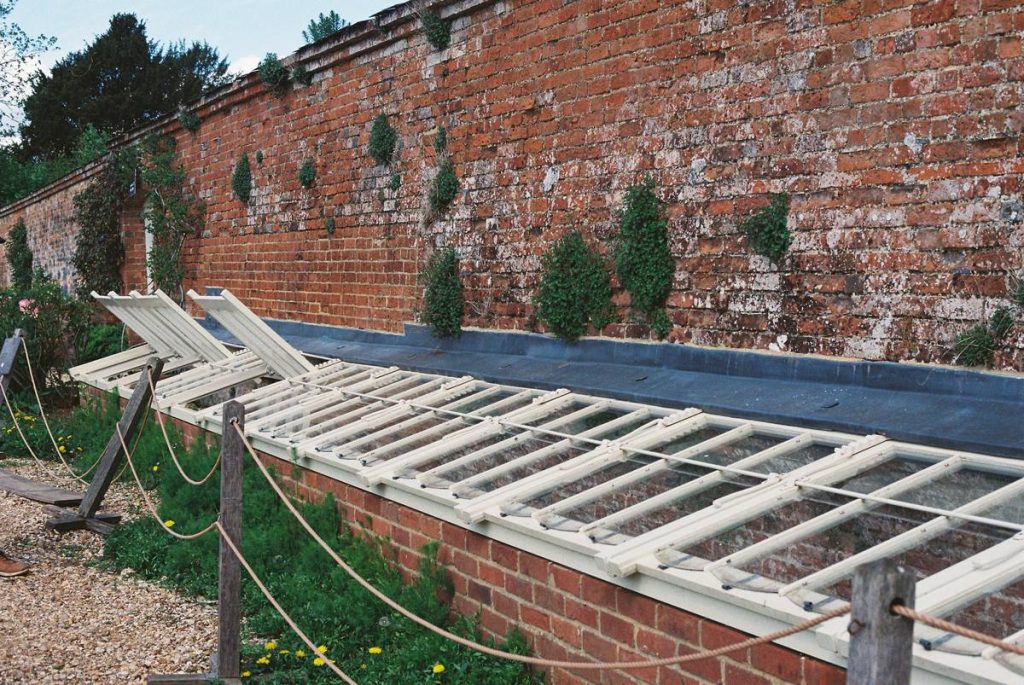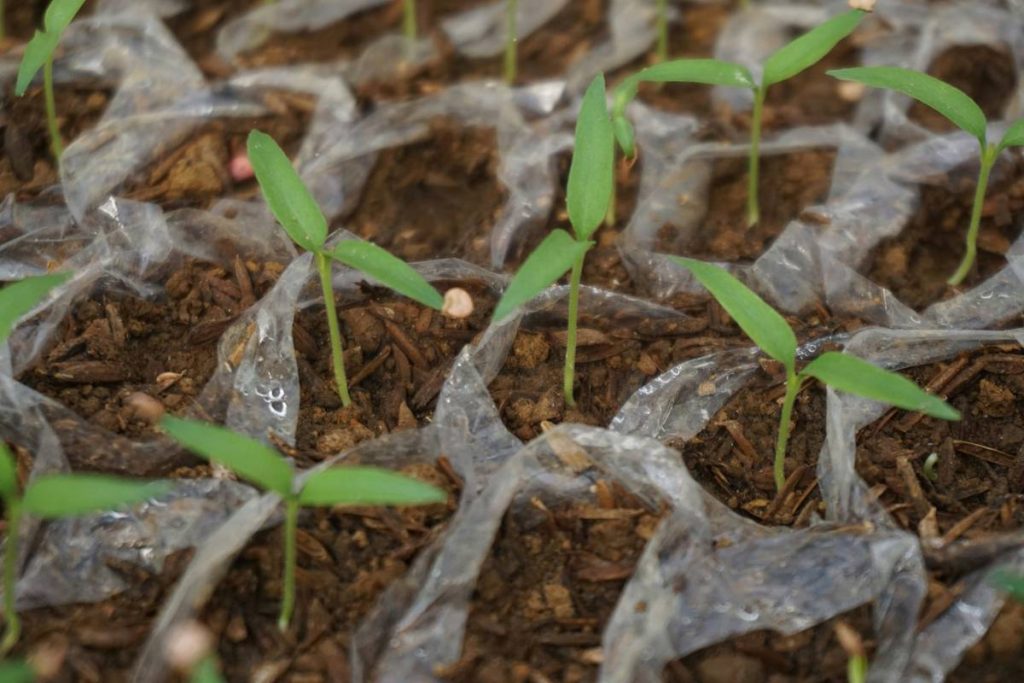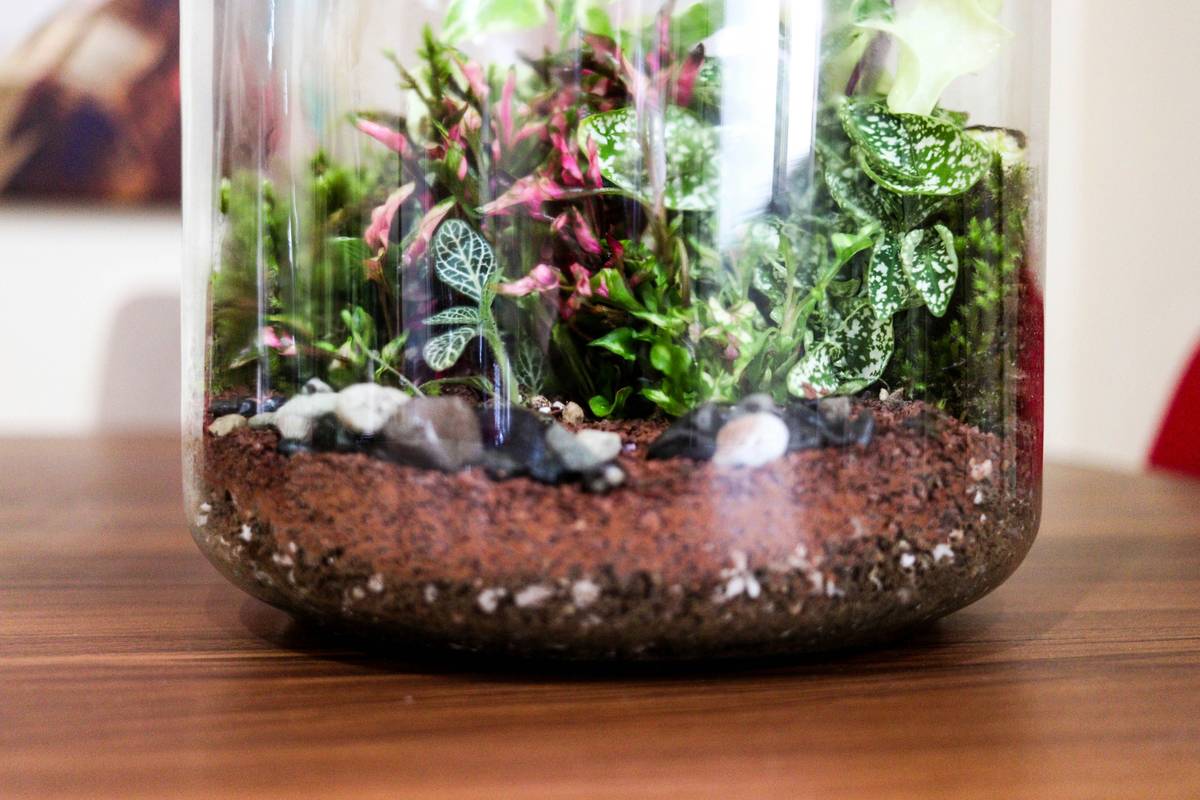
Ever lost a prized seedling overnight to frost or pests—despite weeks of careful tending? You’re not alone. As a home gardener who once watched an entire tray of heirloom tomatoes wilt under a flimsy plastic dome, I learned the hard way that not all plant protectors are created equal. That’s where the glass cloche for plants shines: elegant, durable, and engineered for real microclimate control. In this guide, we’ll explore why serious gardeners are ditching DIY hacks for authentic glass cloches, how to use them effectively, and what pitfalls to sidestep. Whether you’re extending your growing season or showcasing delicate alpines, these seven strategies will help you protect—and impress.
Table of Contents
- Why Glass Cloches Matter in Modern Home Improvement
- How to Use a Glass Cloche Correctly: A Step-by-Step Guide
- Best Practices for Long-Term Success
- Real Results: Case Studies & Garden Transformations
- Frequently Asked Questions
Key Takeaways
- A true glass cloche creates a stable microclimate, boosting germination and protecting against temperature swings.
- Improper ventilation is the #1 cause of plant death under cloches—always allow airflow during sunny hours.
- Thick-walled, hand-blown glass offers superior insulation compared to thin or mass-produced alternatives.
- Position matters: partial shade often outperforms full sun for moisture-sensitive plants.
- Regular cleaning prevents algae buildup and maintains light transmission efficiency.
Why Glass Cloches Matter in Modern Home Improvement
In today’s home improvement landscape, outdoor spaces aren’t just add-ons—they’re extensions of living areas. According to the National Association of Landscape Professionals, 78% of homeowners now prioritize “functional beauty” in gardens, blending aesthetics with practicality. The glass cloche for plants epitomizes this trend: it’s both a protective tool and a sculptural accent.
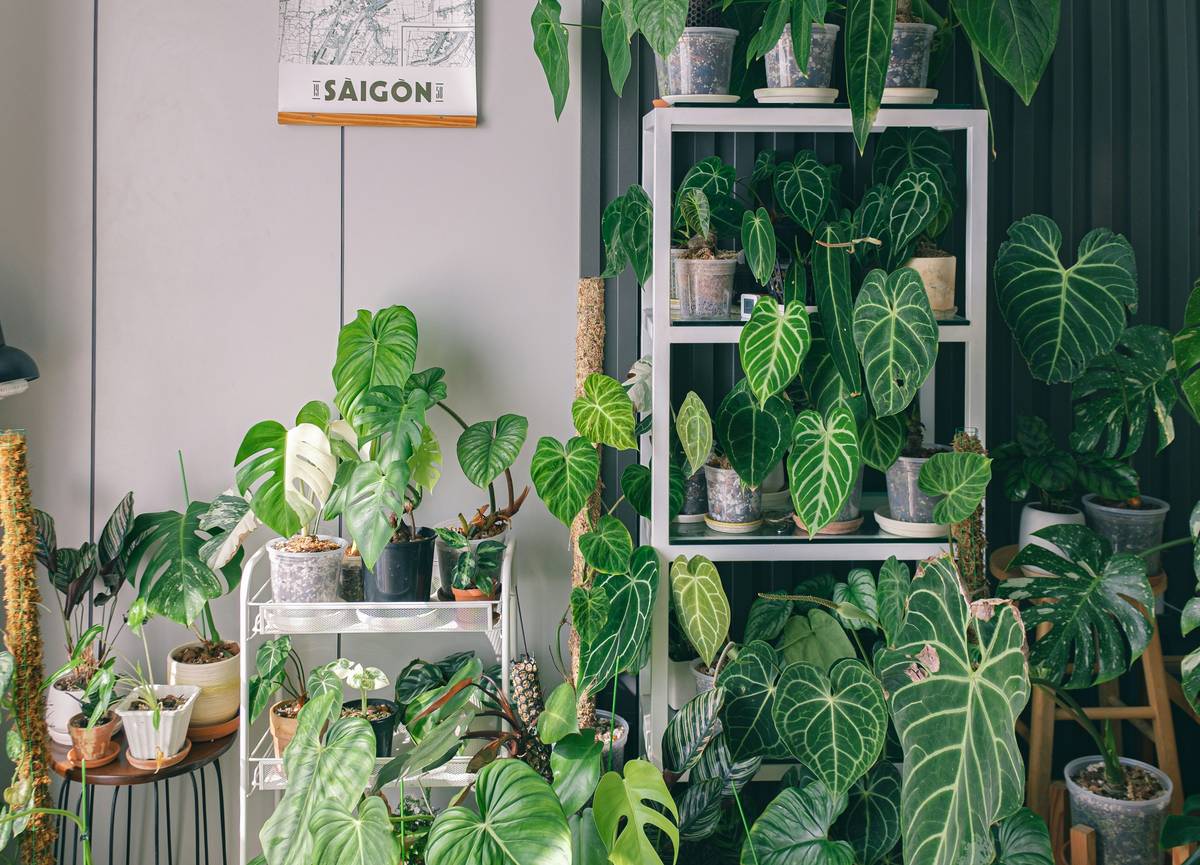
I made a rookie error early on—I used a repurposed pickle jar as a makeshift cloche. It looked charming until midday sun turned it into a miniature sauna, cooking my thyme cuttings. Lesson learned: quality glass isn’t about luxury; it’s about thermal stability. Unlike plastic domes that degrade under UV exposure or trap excess humidity, a proper glass cloche for plants diffuses light evenly and resists temperature spikes. Plus, its weight anchors it against wind—a critical detail often overlooked in budget options.
How to Use a Glass Cloche Correctly: A Step-by-Step Guide
Select the Right Size and Shape
Match the cloche height to your plant’s mature size. Bell-shaped models suit low growers like strawberries, while tall cylindrical types accommodate climbing peas or young tomatoes.
Prepare the Soil First
Amend the soil beneath the cloche with compost. Since roots can’t access rainwater easily, pre-moistening ensures consistent hydration during the initial acclimation phase.
Install with Ventilation in Mind
Lift the cloche slightly using small pebbles or ceramic feet to create airflow gaps. On days above 60°F (15°C), remove it entirely by mid-morning to prevent overheating—yes, even if clouds roll in later.
Monitor Daily
Check condensation levels each morning. Heavy droplets mean poor air exchange. Wipe interior walls gently with a microfiber cloth if fogging persists.
Best Practices for Long-Term Success
- Clean monthly: Use a vinegar-water solution (1:3 ratio) to remove mineral deposits without scratching glass.
- Store wisely: Keep cloches inverted on soft fabric during winter to avoid cracking from ground moisture.
- Avoid “set-and-forget” syndrome: Even cold-hardy plants need gradual exposure. Start with 4–6 hours of cloche coverage, increasing slowly.
- Never use indoors as permanent decor: Without natural light cycles, plants stretch and weaken—a terrible tip I once followed after seeing it on a lifestyle blog!
Real Results: Case Studies & Garden Transformations
Last spring, a community garden in Portland, Oregon tested glass cloches versus plastic tunnels on identical lettuce plots. Over six weeks, the glass cloche for plants group showed 32% higher survival rates and earlier harvests, per data logged by Oregon State University’s Extension Service (extension.oregonstate.edu). Similarly, a UK trial cited by the Royal Horticultural Society found that alpine species under hand-blown glass retained 20% more leaf mass through erratic spring frosts.
At E-Scape & Scrap, we’ve seen firsthand how strategic cloche placement elevates curb appeal while solving real horticultural challenges. Learn more about our design philosophy on our About Us page.
Frequently Asked Questions
Can I leave a glass cloche on plants all winter?
Only in mild climates (USDA zones 8+). In colder regions, remove it during freeze-thaw cycles to prevent root rot from trapped moisture.
Are glass cloches better than row covers?
For individual specimens or small clusters, yes—they offer precise climate control. Row covers win for large beds but lack aesthetic refinement.
Do glass cloches work for succulents?
Rarely. Most succulents need arid conditions; the humidity under a cloche invites fungal growth. Stick to open-air displays.
Where should I buy an authentic glass cloche?
Look for artisan makers using borosilicate or tempered glass. Avoid ultra-thin imports—they crack under thermal stress.
How do I prevent birds from knocking over my cloche?
Anchor it with copper wire stakes or choose models with flared bases for added stability.
Is “glass cloche for plants” just a fancy term for a bell jar?
Essentially, yes—but modern horticultural cloches feature thicker walls and wider bases optimized for garden use, unlike laboratory glassware.
Ready to shield your seedlings with confidence? We’re here to help you choose the perfect cloche for your space—contact us for personalized advice. And rest assured, we respect your privacy; review our full policy here.