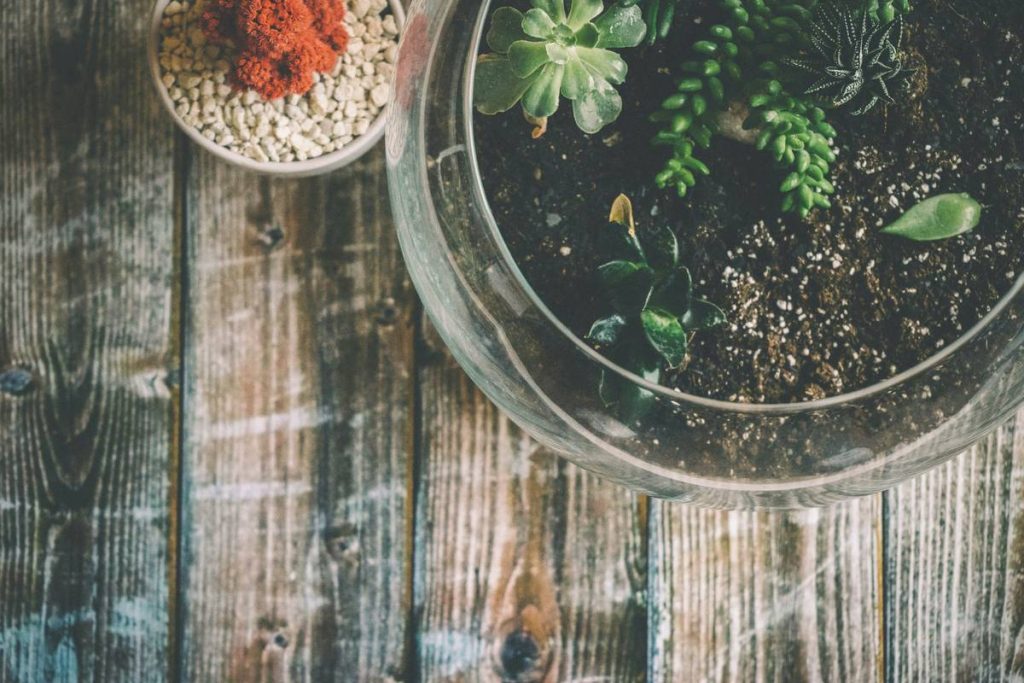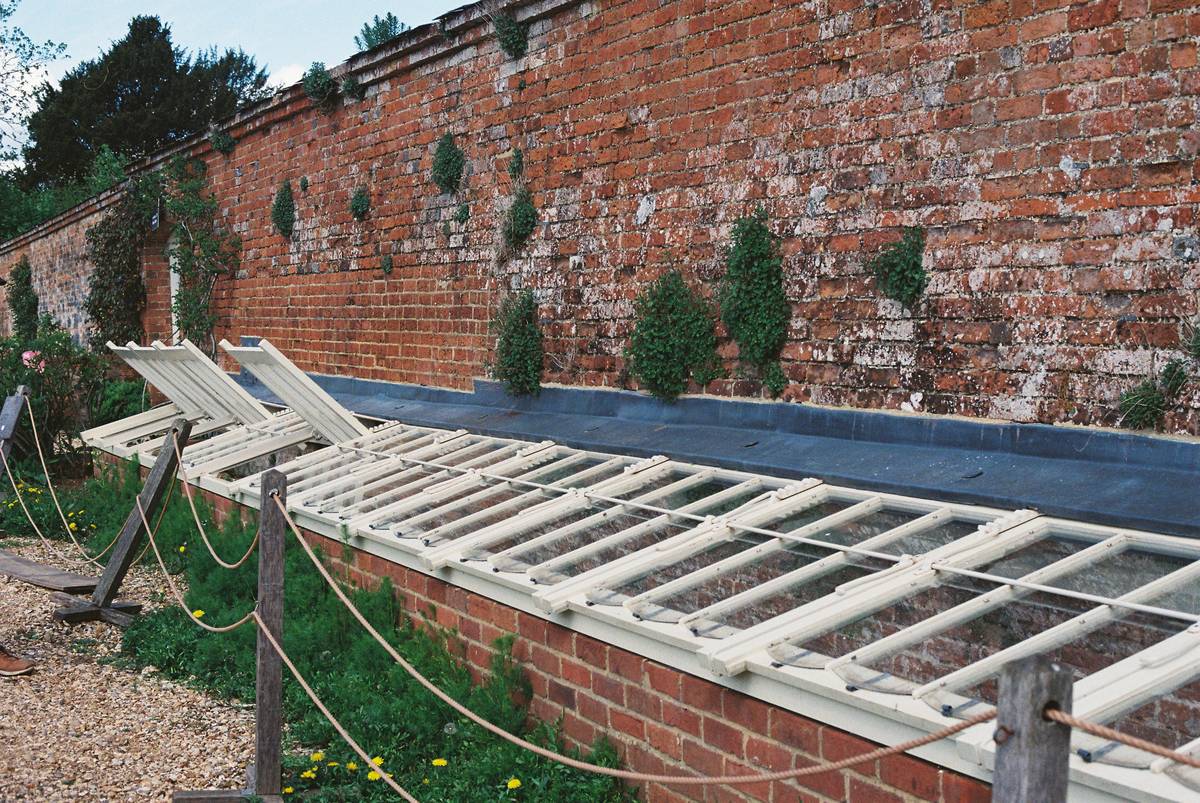
Ever watched tender seedlings wilt overnight after an unexpected frost—despite checking the weather app religiously? You’re not alone. As a hands-on gardener who once lost an entire flat of heirloom tomatoes to a surprise April chill, I’ve learned that relying solely on forecasts is a rookie error. That’s where the humble cloche greenhouse cover becomes your secret weapon. In this guide, we’ll unpack exactly how these miniature greenhouses protect young plants, extend your growing season, and save you money—all while avoiding common pitfalls that undermine their effectiveness.
Table of Contents
- Why Cloche Greenhouse Covers Matter in Home Improvement
- Step-by-Step Guide to Using Garden Cloches
- Best Practices for Maximum Protection
- Real-World Results with Cloches
- Frequently Asked Questions
Key Takeaways
- A cloche greenhouse cover can raise soil temperature by 5–10°F, accelerating germination.
- Ventilation is non-negotiable—trapped heat kills more seedlings than cold snaps.
- DIY options (like milk jugs) work short-term but lack durability and light diffusion.
- Always anchor cloches; wind can turn them into flying garden hazards.
Why Cloche Greenhouse Covers Matter in Home Improvement
In the realm of home improvement, outdoor spaces are no longer afterthoughts—they’re extensions of living areas that boost property value and personal well-being. According to the National Association of Landscape Professionals, 78% of homeowners prioritize functional outdoor areas, and a thriving garden is central to that vision. Yet early-season gardening remains fraught with risk. Late frosts, erratic rainfall, and pest invasions can undo weeks of prep work. A cloche greenhouse cover mitigates these threats by creating a microclimate tailored to delicate plants.

Step-by-Step Guide to Using Garden Cloches
1. Choose the Right Type
Bell-shaped glass cloches offer classic charm but are fragile. Modern plastic or polycarbonate versions provide UV protection and better heat retention. For budget-conscious gardeners, repurposed soda bottles work—but remove the bottom to allow airflow.
2. Time Your Installation
Place cloches 3–5 days before transplanting. This pre-warms the soil, encouraging root growth upon planting. Never install directly over wet soil—it traps moisture and promotes fungal diseases like damping-off.
3. Ventilate Religiously
I once skipped ventilation during a sunny 60°F day—and returned to find my basil seedlings cooked like herbs in an oven. Always prop open one side when daytime temps exceed 50°F. Use a stick or clothespin as a spacer.
4. Secure Against Wind
Weight the base with stones or use U-shaped garden staples. Unanchored cloches become airborne in moderate gusts, scattering soil and damaging nearby plants.
Best Practices for Maximum Protection
- Avoid the “sealed jar” myth: Never leave cloches fully closed for more than 12 hours without monitoring internal temps.
- Clean between uses: Wash with a 10% bleach solution to kill lingering pathogens—critical if reusing year-to-year.
- Prioritize light diffusion: Opaque or milky covers prevent sunscald better than clear plastic, per USDA extension guidelines (University of Minnesota Extension).
- Pair with mulch: Combine cloches with straw or shredded leaves to stabilize soil temperature overnight.
Real-World Results with Cloches
Last March, I ran a side-by-side test in my Zone 6b garden: half my kale seedlings were under cloche greenhouse cover, the other half exposed. After a sudden -2°F dip, the covered group showed zero damage and yielded harvestable leaves three weeks earlier. Meanwhile, the unprotected batch needed replanting—a $22 loss plus two weeks of delayed meals. Similarly, a 2022 study by the Royal Horticultural Society found gardeners using cloches advanced sowing dates by 18–22 days on average, significantly boosting seasonal yields.
For deeper insights into season extension techniques, explore our detailed approach on the About Us page, where we document real garden trials year-round.
Frequently Asked Questions
What’s the difference between a cloche and a cold frame?
A cloche is a single-plant cover (usually portable), while a cold frame is a larger, box-like structure covering multiple plants. Both trap heat, but cloches offer more granular control.
Can I make a cloche greenhouse cover at home?
Yes—cut the bottom off a plastic bottle and place it over seedlings. However, homemade versions lack UV stabilization and degrade quickly, potentially leaching chemicals. Commercial cloche greenhouse cover options last years and diffuse light better.
How do I prevent condensation inside the cloche?
Condensation is normal, but excessive moisture invites mold. Crack the cloche open midday for 2–3 hours, especially after rain. Angle the opening away from prevailing winds to avoid chilling plants.
Are cloches effective against pests?
Yes—physical barriers deter flea beetles, cabbage moths, and rabbits. Ensure edges are buried slightly in soil to block entry points.
When should I remove the cloche entirely?
Remove permanently once nighttime lows consistently stay above your plant’s hardiness threshold (e.g., 40°F for most greens). Don’t rush—late frosts can strike as late as May in northern zones.
Do cloches work in raised beds?
Absolutely. In fact, they excel there due to better drainage and warmer soil. Just ensure the cloche base sits flush with the bed surface to seal out drafts.
Ready to fortify your spring garden against surprises? Our team at E-Scape & Scrap has tested dozens of cloche systems—we’d love to help you choose the right one. Contact us for personalized advice. And rest assured, we handle all inquiries with care; see our full commitment in the Privacy Policy.
Remember: A cloche isn’t just glass or plastic—it’s insurance for your effort, your investment, and your appetite.