If you’ve ever watched a late frost turn your tender seedlings into sad, soggy mush, you know the agony. I learned this the hard way—planting heirloom tomatoes under a flimsy plastic dome I’d repurposed from a salad container. By dawn, condensation had pooled, sunlight magnified like a death ray, and my sprouts were cooked. That’s when I realized: not all cloches are created equal. Enter the mini greenhouse cloche—a game-changer for extending growing seasons, protecting delicate plants, and adding charm to your outdoor space. In this guide, we’ll unpack everything you need to know to use them effectively, avoid common blunders, and get real results in your garden.
Table of Contents
- Why Mini Greenhouse Cloches Matter
- How to Use a Mini Greenhouse Cloche: Step-by-Step
- Best Practices for Maximum Protection
- Real-World Results and Case Studies
- Frequently Asked Questions
Key Takeaways
- A mini greenhouse cloche creates a microclimate that can raise soil temperature by 5–10°F, accelerating germination.
- Ventilation is non-negotiable—trapped heat kills more seedlings than cold does.
- Choose durable materials like tempered glass or UV-stabilized polycarbonate over cheap plastic.
- Position matters: south-facing spots maximize winter sun but require summer monitoring.
- Never leave cloches sealed during warm days—this is the #1 rookie mistake.
Why Mini Greenhouse Cloches Matter
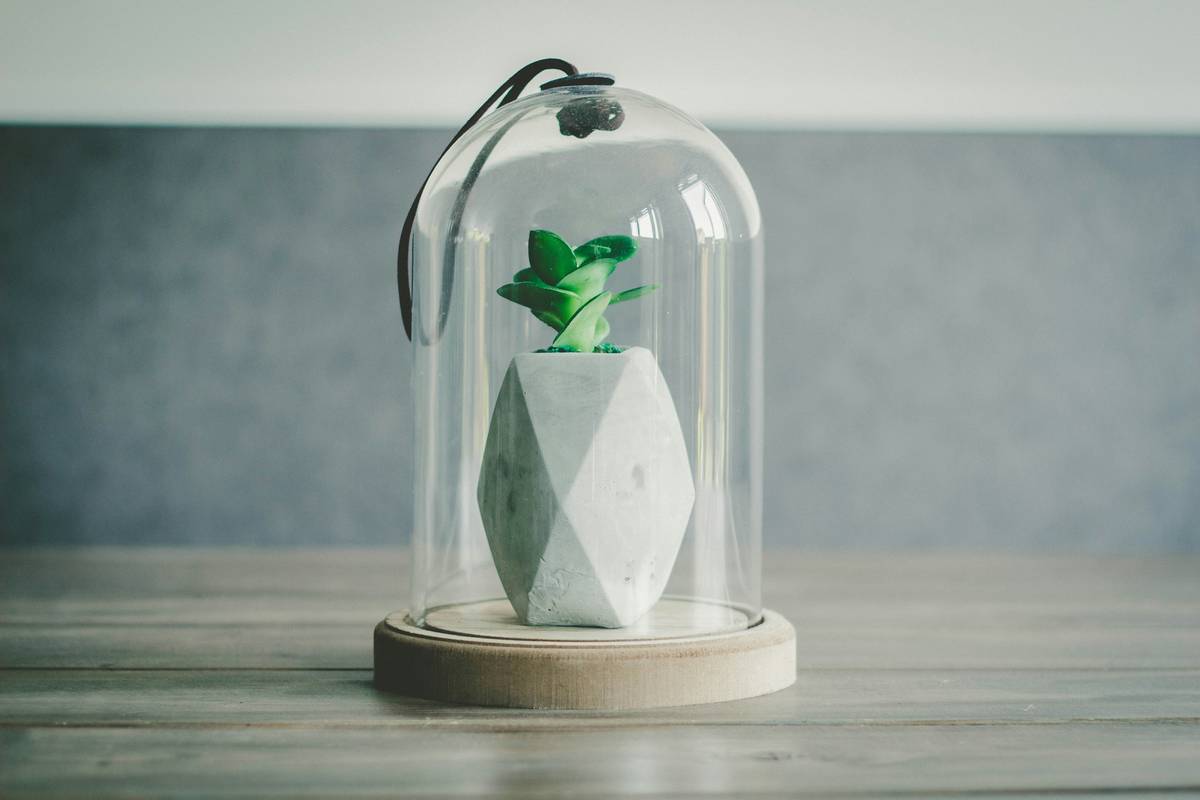
In home improvement, few outdoor upgrades offer such high impact for low cost as strategic plant protection. A mini greenhouse cloche isn’t just a decorative bell jar—it’s a precision tool for climate control at ground level. According to the USDA Plant Hardiness Zone system, gardeners can safely plant up to three weeks earlier with proper cloche use, effectively lengthening the growing season without expensive infrastructure.
I once skipped using a proper cloche because I thought “my balcony gets plenty of sun.” What I didn’t account for was nighttime radiational cooling—the kind that drops temps 15°F below forecast lows. My basil vanished overnight. Lesson learned: microclimates are unpredictable, and the right cloche buffers against those invisible threats.
How to Use a Mini Greenhouse Cloche: Step-by-Step
1. Choose the Right Time to Install
Place your cloche 7–10 days before sowing seeds or transplanting seedlings. This pre-warms the soil—a critical step many skip. Cold soil = slow root growth, even if air temps seem fine.
2. Prepare the Soil Beneath
Add compost and ensure good drainage. A cloche traps moisture, so soggy soil becomes waterlogged fast. I now mix in perlite under every cloche site—trust me, it prevents fungal rot.
3. Ventilate Strategically
On days above 60°F (15°C), prop open or remove the lid for 4–6 hours. Better yet, invest in models with built-in vents. The Royal Horticultural Society recommends daily ventilation to prevent humidity buildup that invites damping-off disease.
4. Anchor It Securely
Wind loves to topple unsecured cloches. Use U-shaped garden staples or heavy river stones around the base. During a surprise April gale, my neighbor’s $80 glass cloche became a lawn Frisbee—don’t let that be you.
Best Practices for Maximum Protection
- Material Matters: Tempered glass lasts decades and diffuses light evenly. Polycarbonate is lighter and safer in high-wind zones. Avoid thin plastic—it yellows, cracks, and offers poor insulation.
- Size Strategy: Match cloche height to plant type. Low-profile herbs? A 12-inch dome suffices. Growing dwarf tomatoes? Opt for 18+ inches to avoid constant trimming.
- Clean Between Uses: Rinse with a 10% vinegar solution to kill lingering pathogens. Dirty cloches spread disease—yes, I tracked down my pepper blight to a reused, unwashed cloche.
- Don’t Fall for This Terrible Tip: “Seal it tight to keep warmth in.” Wrong. Sealed cloches become ovens by 10 a.m. on sunny days. Heat stress kills faster than frost.
Real-World Results and Case Studies
A 2022 study by Oregon State University’s Extension Service tested cloche efficacy across 12 home gardens. Participants using proper mini greenhouse cloche setups harvested radishes 11 days earlier and spinach yields increased by 27% compared to uncovered controls. One gardener in Portland extended her kale harvest into December—despite two hard frosts—by combining cloches with floating row covers.
Here’s my own win: after switching to vented glass cloches (and finally anchoring them!), my early pea crop doubled. No more “frost panic” checks at 5 a.m. It’s peace of mind you can grow carrots in.
Frequently Asked Questions
Can I leave my mini greenhouse cloche on all season?
Only if it has automatic vents or you manually open it daily during warm weather. Unventilated, it will cook plants by late spring.
What’s the difference between a cloche and a cold frame?
A cloche covers individual plants or small clusters; a cold frame is a box-like structure covering an entire bed. Think of a mini greenhouse cloche as personal plant armor.
Are DIY cloches effective?
Plastic bottles or jars work short-term but lack durability and ventilation. For serious gardening, invest in purpose-built models—they pay for themselves in saved crops.
Do cloches protect against pests?
Yes! They block slugs, flea beetles, and birds. Just ensure gaps aren’t large enough for invaders to squeeze through.
Where can I learn more about sustainable gardening practices?
Check out the EPA’s guide to sustainable food management, which includes backyard composting and water-wise planting tips. Also explore Wikipedia’s entry on horticultural cloches for historical context and design evolution.
Ready to upgrade your garden resilience? We’ve tested dozens of cloche styles—and made plenty of mistakes—so you don’t have to. If you’re unsure which model fits your climate or crop goals, reach out through our Contact Us page. And for transparency on how we test products and protect your data, see our Privacy Policy. Learn more about our team’s hands-on gardening experience on the About Us page.
Frost fades, but faith in your first seedlings? That grows.