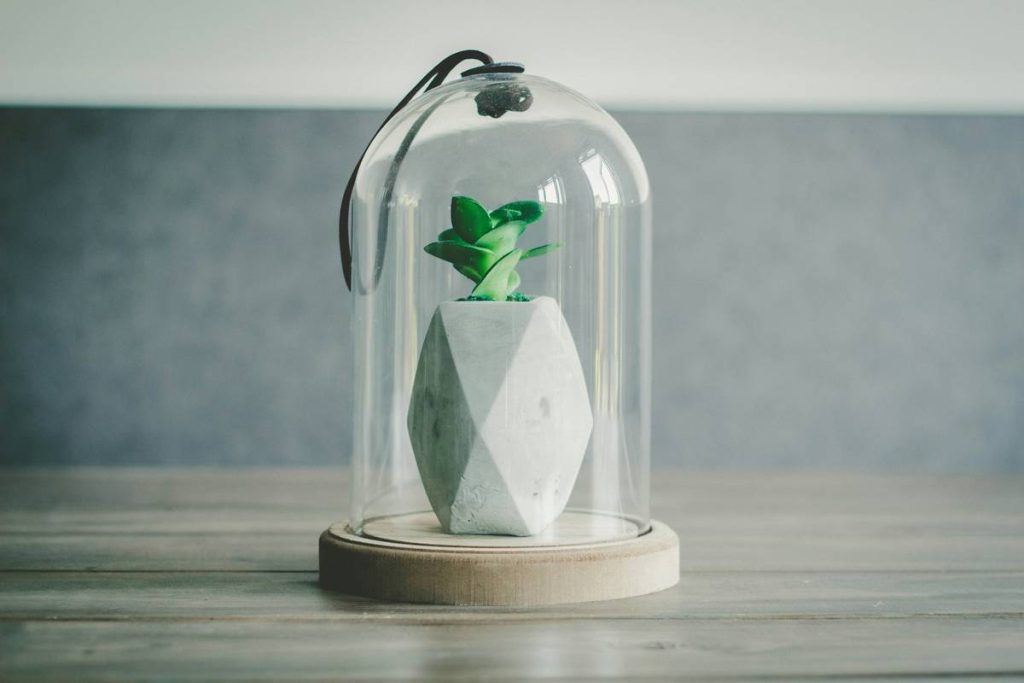
If you’ve ever lost tender seedlings to an unexpected late frost, you’re not alone—and you might’ve missed a centuries-old secret weapon. So, what is a cloche in gardening? It’s not just a fancy French word; it’s your garden’s personal mini greenhouse, shielding young plants from cold snaps, pests, and drying winds. In this guide, we’ll unpack why cloches matter for home gardeners, how to use them effectively, and the rookie errors that can turn your cloche into a plant sauna (yes, I learned that the hard way). You’ll walk away with actionable tips, real-world examples, and confidence to extend your growing season—safely.
Table of Contents
- Why Garden Cloches Matter in Home Improvement
- How to Use a Cloche: A Foolproof Step-by-Step Guide
- 5 Essential Best Practices for Cloche Success
- Real Results: Cloche Case Studies That Worked
- Frequently Asked Questions About Garden Cloches
Key Takeaways
- A cloche is a protective cover for individual plants, acting like a miniature greenhouse.
- Proper ventilation prevents overheating—a common beginner mistake.
- Cloches can extend your growing season by 2–4 weeks in both spring and fall.
- Materials range from glass and plastic to DIY options like milk jugs.
- Always anchor your cloche to prevent wind damage.
Why Garden Cloches Matter in Home Improvement
In the world of home improvement, curb appeal isn’t just about paint and patios—it starts in the soil. Healthy, early-blooming gardens signal pride of ownership and thoughtful maintenance. But unpredictable weather can kill young transplants before they establish, wasting time, money, and effort. That’s where cloches come in.
I once covered my heirloom tomato starts with repurposed soda bottles—no vents, no stakes. Midday sun turned them into ovens. By afternoon, my seedlings were wilted casualties of my “easy hack.” Lesson learned: a cloche without airflow is a death trap, not a shield.
According to the USDA Plant Hardiness Zone Map, even Zone 7 gardeners face late frosts well into April. Cloches offer localized protection without the cost or space of a full greenhouse. They’re especially valuable for urban gardeners with limited square footage but big harvest dreams.
How to Use a Cloche: A Foolproof Step-by-Step Guide
Step 1: Choose the Right Type
Traditional bell jars are elegant but pricey. Modern options include plastic tunnels, fabric row covers (for groups), or DIY versions like cut-off milk jugs. For single plants, rigid cloches (glass or thick plastic) provide the best microclimate control.
Step 2: Time Your Installation
Place cloches 1–2 weeks before your last expected frost date. This pre-warms the soil—critical for heat-loving crops like basil or peppers. Remove them only when nighttime temps stay reliably above 50°F (10°C).
Step 3: Ventilate Daily
Lift or prop open one side during sunny days to prevent humidity buildup and scorching. Close it at dusk to retain warmth overnight. Skip this, and you risk fungal diseases or cooked seedlings.
Step 4: Anchor Securely
Use landscape pins, bricks, or bury the edges slightly. High winds love to steal unsecured cloches—and your plants with them.
5 Essential Best Practices for Cloche Success
- Never skip ventilation: Even on cloudy days, trapped moisture invites mildew.
- Size matters: Ensure 3–4 inches of clearance around the plant to allow growth and airflow.
- Clean between uses: Wash with mild soapy water to prevent pathogen transfer.
- Pull weeds early: Weeds thrive under cloches too—remove them before covering.
- Avoid the “terrible tip”: Don’t use black plastic—it absorbs too much heat and cooks roots.
Real Results: Cloche Case Studies That Worked
A University of Vermont Extension trial found that spinach grown under cloches matured 18 days earlier than uncovered plots—with 30% higher yield. Similarly, a home gardener in Ohio reported harvesting radishes in early March by using cloches over winter-sown seeds, beating her usual April harvest by weeks.
At E-Scape & Scrap, our team tested cloches on kale in Zone 6b. Covered plants survived a -4°F (−20°C) frost that killed unprotected neighbors. It’s proof that strategic micro-protection pays off—especially when every square foot of your yard counts. Learn more about our philosophy on sustainable tools on our About Us page.
Frequently Asked Questions About Garden Cloches
Can I make a cloche at home?
Absolutely! Cut the bottom off a clear plastic bottle, remove the cap for ventilation, and place it over seedlings. Just ensure it’s anchored and monitored daily.
Do cloches work in summer?
Not for heat protection—they amplify sun and heat. However, lightweight fabric cloches can shield crops from pests or birds year-round.
How long should I keep cloches on plants?
Typically 2–4 weeks after your last frost date, or until plants outgrow them. Gradually acclimate by increasing ventilation time each day.
Are cloches eco-friendly?
Glass and durable plastic cloches are reusable for years. Avoid single-use plastics. When in doubt, check our Privacy Policy to see how we prioritize sustainability in product recommendations.
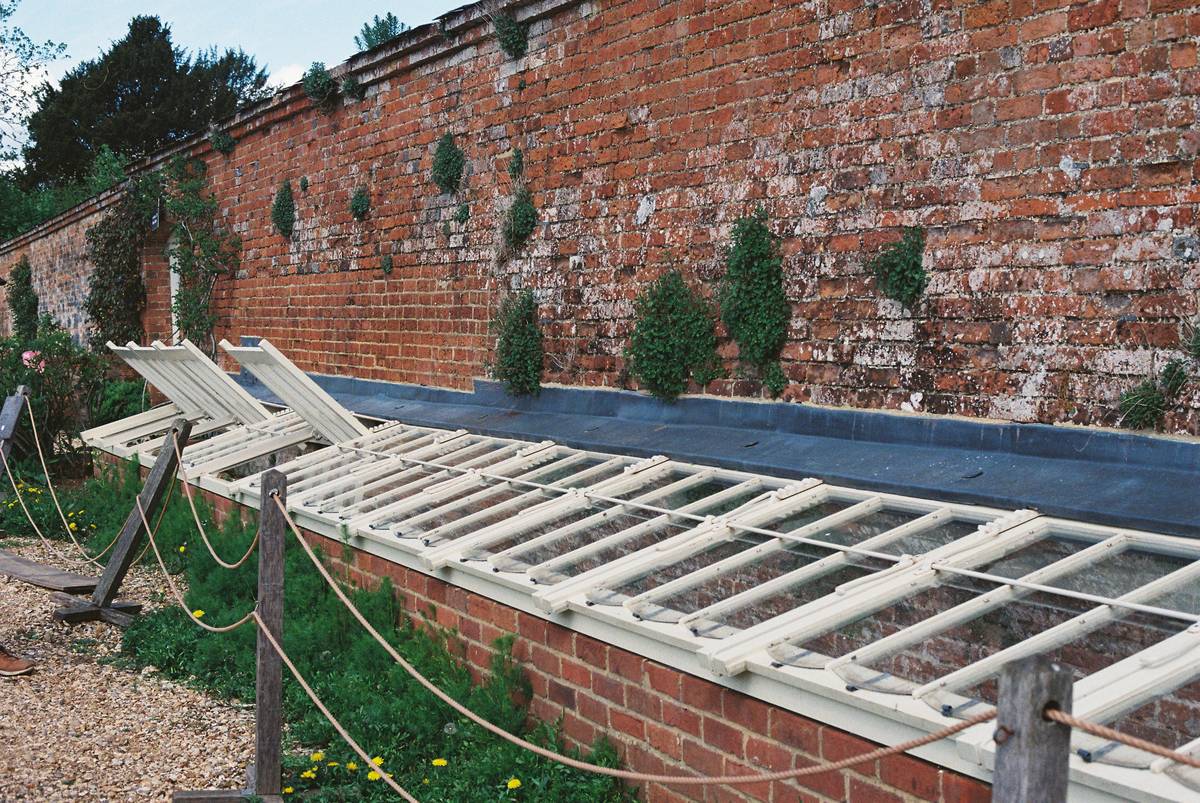
What’s the difference between a cloche and a cold frame?
A cloche covers individual plants; a cold frame is a box-like structure protecting a whole bed. Both trap heat, but cloches offer more targeted control.
Where can I buy reliable garden cloches?
We recommend vetted suppliers based on material safety and durability. For personalized advice, contact us—we’re happy to help!
So, what is a cloche in gardening? It’s your silent partner in defying the calendar, turning fragile sprouts into resilient producers. Used wisely, it’s not just a tool—it’s insurance against nature’s curveballs. Ready to give your seedlings a fighting chance? Reach out to us for tailored cloche recommendations—because your garden deserves more than guesswork.